How to hold a solo base next to Oil Rig in Rust and survive coordinated raids
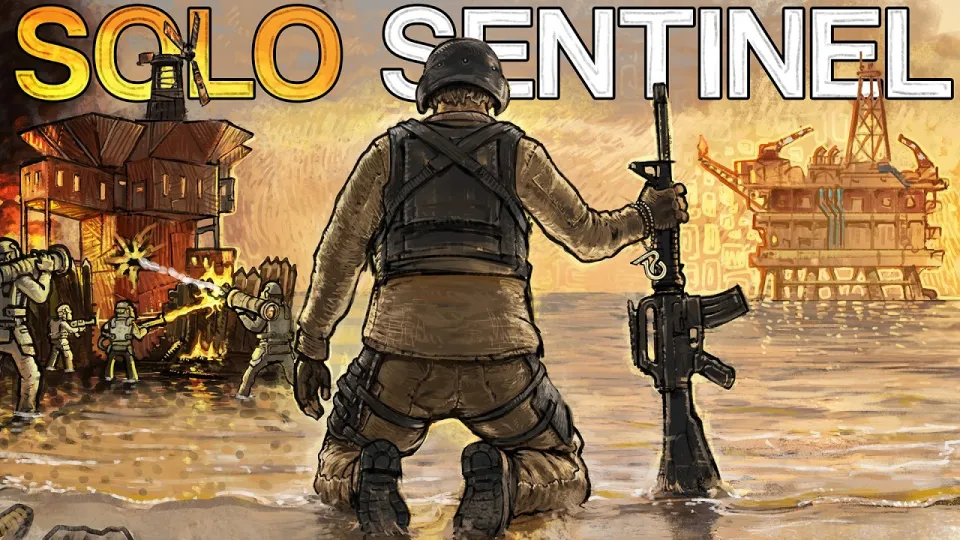
Video: The Solo Sentinel - Rust
You can order the same kind of articles for your own video to boost it on YouTube and Google. Just message the Telegram bot @sat_sit_bot. The bot writes and publishes the articles itself (with your YouTube video embedded) on popular topical websites (no ads). Free trial — 50 articles.
· based on the channel Blooprint
A solo base next to Oil Rig works when you treat the monument as your loot pipeline and the base as a disposable shell: build small and hidden, stack turrets and sealed rooms, run Oil Rig on cooldown, and accept that you will lose the base eventually. The winning move is not to out-build groups but to out-earn them, converting every successful rig run into rockets, turrets and spare kits so that a raid costs the attackers more than it costs you. Blooprint's solo run is a good template for that mindset, and you can watch his live attempts and wipe-day starts on his Twitch channel.
Why a solo base next to Oil Rig is a real strategy in Rust
Oil Rig is one of the highest-value monuments in Rust, and living next to it removes the two things that kill most solo runs: travel time and exposure. A solo who spawns in, farms a quick kit and reaches the rig before the first groups are organised can pull elite crates while the server is still fighting over starter monuments.
The trade-off is traffic. Everyone on the server knows what lives at Oil Rig, so your base becomes a target for roaming duos, small groups and other solos testing their new guns. The strategy only works if you plan for constant contact: a compact footprint, an underwater or cliff-side entrance, and storage split across several rooms so a single breach does not end the wipe.
Solo play also changes how the game feels. With no team comms, every decision is yours alone, and viewers get the full thought process instead of a wall of callouts. That is exactly why solo content keeps pulling people back: the struggle is relatable, and progress is earned rather than handed out by a large roster.
Snowballing from a fresh wipe to a defended compound
The first two hours decide the wipe, and the sequence matters more than raw farming speed.
- Spawn, gather a minimum of wood and stone, and place a small starter with a sleeping bag near the coast facing Oil Rig.
- Craft a basic gun or buy one from a vending machine, then take the first rig run before groups are geared.
- Bank the elite crate loot immediately: components, military crates and any tier-two weapon change the next fight.
- Upgrade to stone and sheet metal in one push rather than dribbling resources into a wooden box base.
- Add the first turret before the first night, aimed at the most obvious approach rather than the front door.
A snowball works because each successful rig run funds the next one. One good run pays for a turret and a spare kit; two good runs pay for rockets you can use offensively against the neighbours who keep probing your base.
Base design and defence layering for one player
For a solo, base design is about time, not size. Every extra second an attacker spends blowing through a wall is a second you spend flanking, resealing or moving loot.
- Sealed rooms. Wall off loot rooms with their own doors and locks so a breach into the core does not expose everything at once.
- Turret coverage. Place turrets so their arcs overlap on the approach, not on the wall itself; a turret that only covers the door gets destroyed first.
- Redundant storage. Split kits, components and explosives across at least three locations, including a small stash away from the main base.
- Height and sightlines. A shooting floor or window gives you a free angle on anyone rocketing from the beach or the water.
- Silent upgrades. Do your metal and turret work at quiet hours; loud building draws attention from exactly the players you want to avoid.
Defending a solo base is rarely a straight fight. The realistic play is to let attackers commit rockets, then hit them from an unexpected side, reseal the breach and force them to spend more explosives than they planned.
Loot routes and rotations around Oil Rig
Oil Rig rewards players who know the route, not the ones who arrive first with the biggest gun. Learn the crate spawns, the puzzle steps and the exit points, then run the monument on a loop that fits between defence checks.
Small boats and underwater travel are a solo's best friends here. Approaching from below the waterline keeps you off the beach sightlines that groups watch, and a diving kit turns a retreat into an escape. Keep a boat stashed near the base, and never carry more loot back than you can afford to lose on the return trip.
Timing matters too. Rig runs at odd hours are quieter, but the players still awake are usually the ones who are geared and hunting. Balance the two: quiet hours for farming and building, busy hours for short, aggressive runs when the server is distracted elsewhere.
Common questions and doubts from solo players
Solo players ask the same things after every wipe, and the answers usually come down to expectations.
- "Is solo content still worth watching when groups dominate?" Yes, because the narrative is the point: progression from a bow to a defended compound is more engaging than a fully geared team clearing a monument in twenty minutes.
- "What if I lose the base?" Plan for it. A stash, a sleeping bag and a spare kit turn a raid from a wipe-ending event into a setback.
- "Should I team up with strangers?" Occasional alliances of convenience are fine, but they change the pace and the honesty of a solo run; decide in advance how far you will go.
- "How do I stop raids before they start?" You cannot. You can only make the raid unprofitable: layered walls, hidden loot and a turret setup that punishes anyone who commits.
Many viewers also point out that solo videos are easier to follow than team play, because the creator explains each decision out loud instead of trading callouts. That transparency is a genuine advantage when you are learning the game.
Watching and following Blooprint's Rust content
Blooprint publishes solo survival stories, base defences and wipe-day runs, and the channels below are where the live versions and extras live.
- Twitch: https://www.twitch.tv/blooprint
- Kick: https://kick.com/blooprint
- TikTok: https://www.tiktok.com/@blooprintgames
- Twitter: https://twitter.com/blooprintgames
- Discord: https://discord.gg/blooprint
Final thoughts on holding ground as a solo
A solo base next to Oil Rig is a bet that your efficiency beats a group's manpower, and Blooprint's run shows both sides of that bet: fast snowballing, constant pressure and defences that buy time rather than guarantee safety. The formula is repeatable: build small, hide the loot, run the rig on cooldown and make every raid expensive for the attacker. If you want to see the live version, wipe-day starts and base defences, follow Blooprint on Twitch and watch the next solo attempt unfold in real time.
Key takeaways
- Blooprint's solo run centres on a base built directly beside Oil Rig, which turns a high-traffic monument into a personal loot pipeline.
- Solo play gives one voice and one decision-maker: no team comms, so every call and every mistake is visible.
- Layered defences matter more than base size for a solo: turrets, sealed rooms and redundant loot storage.
- Small groups and other solos will test the base within the first hours of a wipe, often with rockets.
- Underwater approaches and a low, hidden footprint are the main advantages a solo has over larger clans.
Source: The Solo Sentinel - Rust · Markdown version
Questions & answers
Is it viable to build a solo base right next to Oil Rig in Rust?
Yes, as long as you accept constant contact. The monument gives you elite loot within minutes of a wipe, but it also attracts every roaming group on the server. Build compact, hide your entrances and split your loot so a single breach does not end your wipe.
How many turrets does a solo base need to survive a raid?
There is no fixed number, but two to four well-placed turrets covering the approach usually outperform a dozen aimed at the front door. Overlapping arcs on the beach, the water and the roof force attackers to spend extra explosives before they even reach your walls.
Why do people prefer solo Rust videos over group content?
Solo videos keep one voice and one decision-maker, so the creator explains the reasoning behind each move instead of trading callouts. Viewers can follow the progression from a basic kit to a defended compound, and the setbacks feel earned rather than scripted.
What should a solo do when a group starts rocketing the base?
Let them commit, then punish the commitment. Move loot to a sealed room or stash, hit the attackers from an angle they are not watching, and reseal the breach so they need more rockets. Even a lost base is a win if the raid cost more than your stored loot.